










Incheon International Airport First Meeting – 06:50 AM in front of Exit B, Arrivals Hall (1st Floor), Terminal 2, Incheon International Airport
Transfer to Seoul
◆ Travel: Incheon ⇒ Seoul (Approx. 1 hour 30 minutes)
Sports Complex Station Second Meeting – 08:50 AM in front of Exit 6, Seoul Sports Complex Station (Subway Line 2), in front of GS25 Second Meeting – 08:50 AM in front of Exit 6, Seoul Sports Complex Station (Subway Line 2),
Transfer to Sokcho
◆ Travel: Seoul ⇒ Sokcho (Approx. 2 hours 30 minutes)
Sokcho-si
Lunch – The menu and restaurant are subject to change due to local conditions.
Miga Lunch – The menu and restaurant are subject to change due to local conditions.
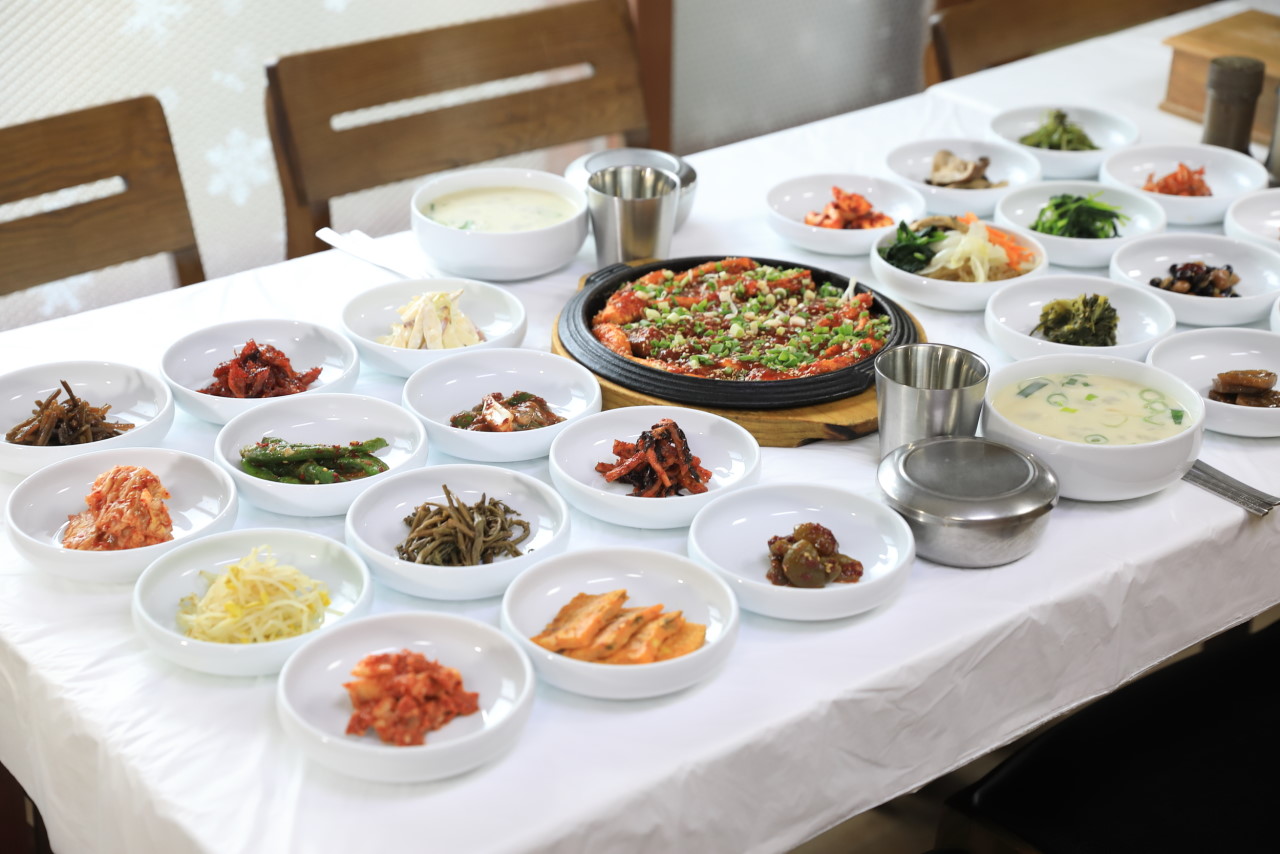
1. Dried pollock (Hwangtae) is highly sensitive to climate conditions, so only a few regions can produce its authentic flavor.
2. It requires winter temperatures below -15°C, along with consistent snow and wind at appropriate levels.
3. In Korea, parts of Daegwallyeong and the Yongdaeri area near Jinburyeong are the best and largest production sites.
4. Nowadays, a large amount of imported Chinese dried pollock is available in Korea, making it difficult to find truly reliable restaurants.
5. Miga operates its own drying facility in Yongdaeri and simmers the broth for 4–5 hours with great care, resulting in a rich, milky soup even deeper than traditional bone broth.
6. Since Yongdaeri dried pollock is expensive, many restaurants add potatoes to reduce the amount of fish in the soup. Miga, however, uses no potatoes and fills the soup generously with pollock, offering excellent value.
7. The tender dried pollock in the soup melts in your mouth like ice cream.
8. Properly prepared Yongdaeri dried pollock soup is considered one of the “Top 30 Korean dishes” that should be introduced to foreigners.
9. With 28 years of tradition, Miga is more popular among locals than tourists and is well known as a favorite spot among government employees.
10. Even the side dish ingredients are locally sourced or personally gathered, ensuring top-quality flavors overall.
11. The owner personally prepares all dishes, and once in the kitchen, is known for not stepping out to maintain consistency and quality.
12. Hwangtae Haejangguk (dried pollock soup) is a premium dish, perfect for treating parents or elders.
[Optional] [Optional Tour] Seorak Cable Car ($40 per person) During the October foliage season, it may be replaced with the Balwangsan Cable Car depending on conditions.
![[Optional Tour] Seorak Cable Car ($40 per person)](../wp_files/File_images_photogallery/2026/04/pg_1_1776967312.jpg)
One of the best and most comfortable ways to take in the breathtaking scenery of Seoraksan is by riding the Seorak Cable Car. The cable car station is located within the Sogongwon area of Seoraksan National Park, and it takes about 10 minutes to reach Gwongeumseong Fortress at an elevation of 700 meters above sea level.
During the ride, you can enjoy stunning views through the windows, including famous landmarks such as Ulsanbawi Rock and Manmulsang Rock Formation. Upon reaching Gwongeumseong, a magnificent panoramic view of Seoraksan’s dramatic mountain landscape unfolds before your eyes.
Travel to Pyeongchang
◆ Transfer: Sokcho ⇒ Pyeongchang (approximately 1 hour 30 minutes)
Pyeongchang County
Woljeongsa Temple was founded in 643 during the 12th year of Queen Seondeok of the Silla Dynasty by the monk Jajang. It is located in Odaesan, a mountain regarded as a sacred Buddhist site. As the head temple of the 4th district of the Jogye Order, Woljeongsa oversees around 60 affiliated temples and 8 hermitages. The temple is home to numerous cultural treasures, including the National Treasure Octagonal Nine-Story Stone Pagoda, as well as important relics such as the Seated Stone Bodhisattva and the Wooden Statue of Manjusri.
From the Iljumun Gate to Geumganggyo Bridge, a scenic path of about 1 km is lined with approximately 1,700 fir trees, forming the famous Fir Tree Forest. Loved by visitors in all four seasons, this serene forest is one of the most iconic attractions of Woljeongsa Temple and is considered a must-visit when exploring the area.
Odaesan is a national park renowned for its beautiful scenery throughout all four seasons, where lush forests, clear valleys, and the historic Woljeongsa Temple come together. The famous fir tree path at Woljeongsa stretches for about 1 km and offers a unique charm in every season. It is an ideal place to enjoy a peaceful and relaxing walk surrounded by nature.
Odaesan Sanchon Dinner – The menu and restaurant are subject to change due to local conditions.
InterContinental Alpensia Pyeongchang Resort Hotel check-in and leisure time
The InterContinental Alpensia Pyeongchang Resort, the third InterContinental hotel in Korea under the IHG group, features 238 elegantly designed rooms offering a luxurious and refined atmosphere. Guests can enjoy breathtaking panoramic views of the Daegwallyeong landscape, creating a truly scenic and relaxing mountain resort experience.